

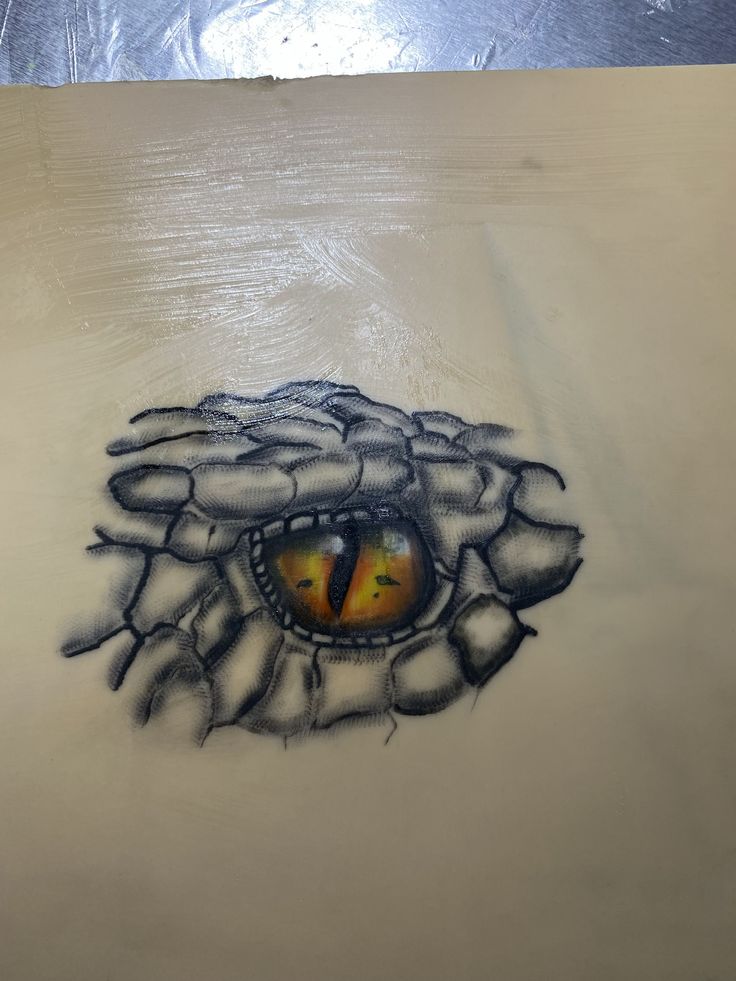
Skulls are one of tattooing’s most enduring symbols, representing mortality, resilience, and human nature. In 3d nipple tattoo in rio rancho, the skull moves beyond flat, bold-outlined flash into hyper-realistic anatomical sculpture—appearing to emerge from beneath torn skin, rest like a carved stone relief on the muscle, or dissolve into swirling smoke and geometric fractures.
1. Why Skulls Excel in 3D Realism
The human skull is structurally built around dramatic ridges, deep hollows, and asymmetrical planes that naturally respond to directional lighting:
-
Built-In Recessed Cavities: Eye sockets, nasal cavities, and temporal hollows provide natural pockets for deep, saturated black ink. These dark recesses push backward visually, forcing the cheekbones, brow ridge, and teeth forward toward the viewer.
-
Tactile Bone Surface: Real bone is neither smooth nor glossy; it features hairline cranial sutures, porous textures, micro-fractures, and weathered pits. Rendering these micro-textures convinces the human eye that the tattoo has physical mass and grain.
2. Core Shading and Lighting Techniques
To transform a flat anatomical drawing into a convincing three-dimensional skull on living skin, artists rely on strict light physics:
-
Single-Source Directional Lighting: Before starting, the artist locks in one imaginary light angle—typically overhead and slightly to one side. Highlights sit along the upper brow, bridge of the nose, and zygomatic arches, while core shadows wrap underneath the jawline and cheekbones.
-
Greywash Gradients and Chiaroscuro: Rather than outlining teeth or bone edges with black lines, artists use smooth greywash transitions and chiaroscuro contrast. Each tooth is individually shaded as a small cylinder with a sunlit front plane, soft side shadows, and dark gum-line recesses so the jaw looks physically sculpted.
-
Reflected Light and Specular Accents: Ambient light bouncing off surrounding skin creates a subtle glow along the shadowed lower edge of the jawbone, separating the skull from the background. Tiny dots of opaque white ink or un-tattooed skin breaks highlight sharp bone ridges and moisture.
3. Creative 3D Skull Concepts
Modern 3D skull tattoos span several distinct visual directions:
-
Emerging and Torn-Skin Skulls: The skull appears nested beneath the epidermis, pushing outward through ripped flesh or weathered stone cracks. Tight inner shadows along the torn skin borders create the illusion of depth beneath the surface.
-
Biomechanical and Cybernetic Skulls: Merges human bone with exposed titanium plating, hydraulic jaw pistons, glowing circuitry, or clockwork gears—contrasting organic bone texture against polished metallic reflections.
-
Carved Stone and Wood Relief Skulls: Renders the skull as chiseled marble, ancient temple stonework, or engraved timber, using bevelled edges and directional rim shadows so the design looks physically sculpted into the arm or chest.
-
3D Skulls with Botanicals and Wildlife: Pairs hyper-realistic skulls with blooming 3D roses, hovering butterflies, or a serpent coiling through the eye sockets—blending themes of mortality and renewal under a single unified light source.
-
Shattered and Geometric Skulls: Fractures the cranium into floating polygonal shards or hollow isometric blocks with detached drop shadows, giving the skull a surreal, architectural presence.
4. Anatomical Placement and Longevity
3D skull tattoos work best on broad, contoured muscle groups—such as the outer shoulder deltoid, upper chest, calf, or forearm—where the natural curvature of the limb mirrors the rounded dome of the cranium. Because skulls rely heavily on deep black eye sockets and high-contrast bone ridges, they age with strong structural clarity when anchored with saturated black shadows and protected from prolonged sun exposure.
